
Houses of Correction
Transforming Substance Use Care in Correctional Settings

“When correctional facilities invest in recovery, they invest in safer communities. EMO Health partners with Houses of Correction to reduce recidivism, strengthen staff confidence, and support residents on the path to long-term success.”
— Allison Burns, CEO & President
Partnering with EMO Health as a House of Correction
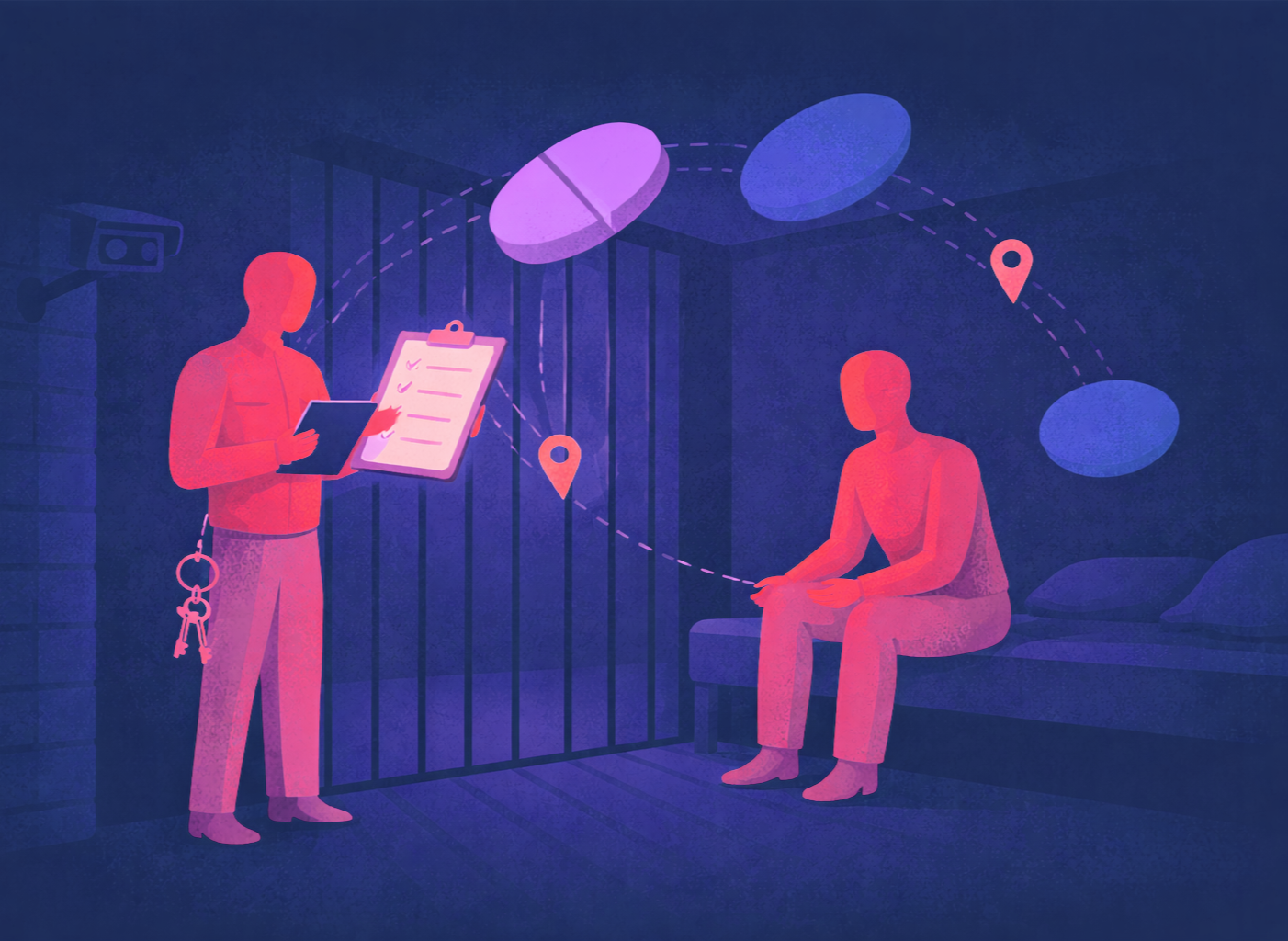
At EMO Health, we know jails are more than holding facilities — they’re turning points. By helping correctional leaders integrate recovery-focused practices, we reduce recidivism, improve staff safety, and build systems that treat substance use disorder (SUD) as a health condition, not a crime.

Breaking the Cycle of Recidivism
Too often, incarceration becomes a revolving door for people with SUD. We help break that cycle by connecting residents with real treatment, not just temporary fixes. Our work focuses on:
Building bridges to community care so residents leave jail with active treatment plans and providers already in place.
Embedding recovery into daily routines, so skills practiced inside the facility can carry into life after release.
Tracking long-term outcomes, giving sheriffs and administrators clear evidence that rehabilitation lowers repeat incarceration.
The result: fewer people coming back through the same doors, and stronger, healthier communities on the outside.


Changing the Conversation on SUD
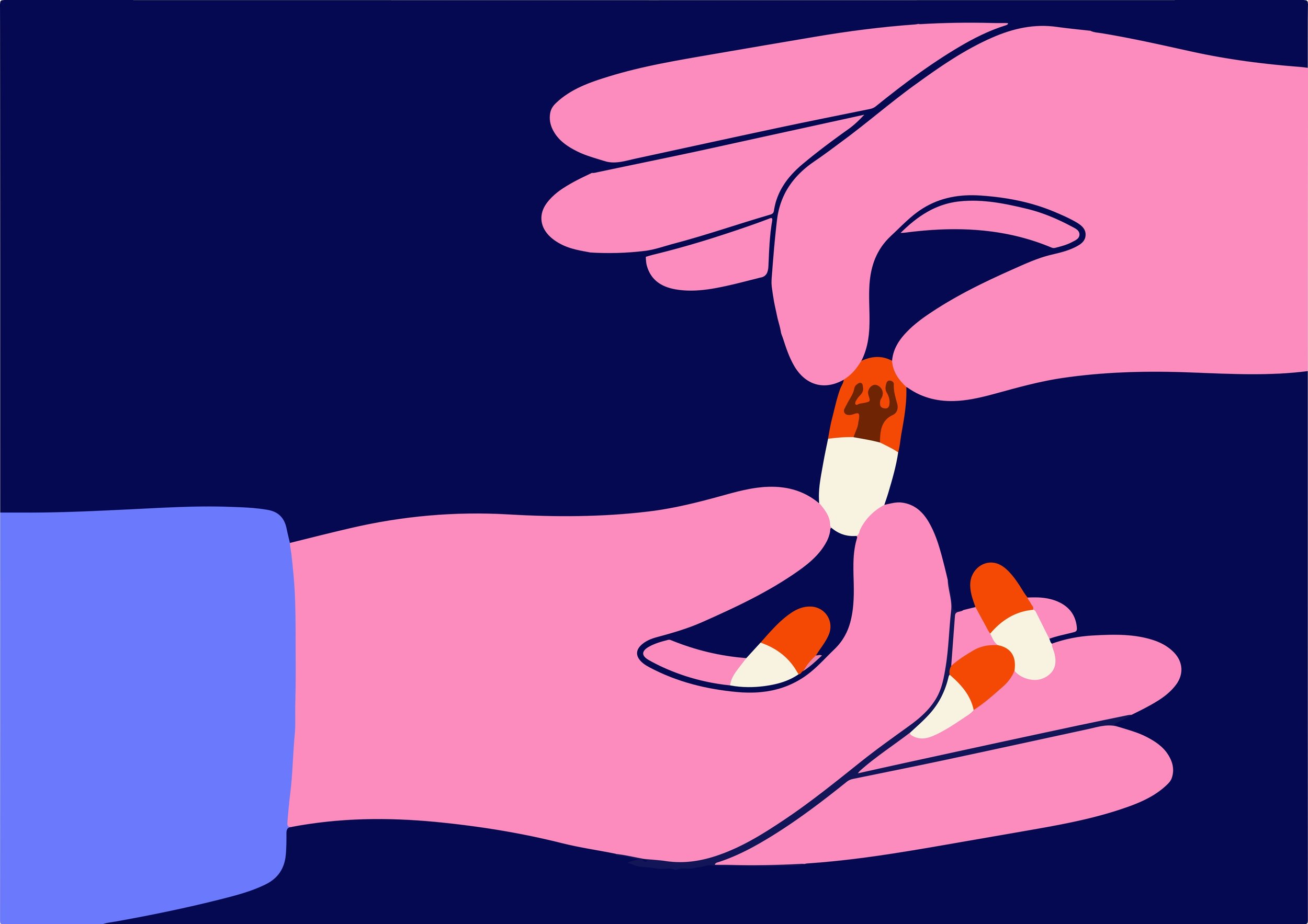
Substance use disorder has long been burdened by stigma, and nowhere is that stigma more visible than inside correctional facilities.
Too often, addiction is seen as a failure of willpower or character, rather than what it truly is: a chronic, treatable medical condition. This perspective limits staff effectiveness, increases conflict, and discourages residents from engaging in care.
EMO Health works to change this narrative. Through training programs tailored to correctional staff, we provide practical education that blends science with real-world examples. Officers, medical staff, and administrators gain tools to understand addiction not as a personal weakness but as a health condition requiring evidence-based care. Alongside training, we help facilities launch educational campaigns that combat myths and highlight success stories, showing staff and residents alike that recovery is possible.
The impact of reducing stigma goes beyond words. Facilities see lowered tension, better engagement with programs, and stronger working relationships between residents and staff. By changing the conversation, we create a culture of respect and safety that benefits everyone inside the walls.


Turning Facilities Into Recovery Oriented Environments
Correctional facilities are traditionally designed for control and compliance, but with the right systems in place, they can also serve as recovery-oriented environments.
EMO Health helps Houses of Correction reimagine daily operations in ways that emphasize health, safety, and dignity without compromising security.
This work can take many forms. In some facilities, it means integrating overdose prevention initiatives such as widespread naloxone access and resident education programs. In others, it involves building peer-support systems where residents mentor each other, reinforcing a culture of recovery. We also help align medication administration with broader treatment programming, ensuring that every interaction in the medication room reinforces progress toward recovery.
These changes ripple outward. When residents experience recovery-oriented care during incarceration, they are more likely to embrace treatment after release. Staff, in turn, feel less like enforcers and more like contributors to positive change. Facilities become not only safer but also more humane, serving as spaces where the cycle of addiction can begin to be broken.

The EMO Contact Center
The EMO Contact Center (ECC) is a teleconferencing platform designed to help BSAS-licensed program staff quickly get answers about:
Medication management workflows
Regulatory compliance
Clinical best practices
We offer support via phone, live chat, and email.
Our goal: Fast, reliable, and professional answers that improve care and reduce stress.
Why Leaders Choose EMO
Correctional leaders face immense pressure: they must balance public safety, staff well-being, and resident rehabilitation, often with limited resources and under heavy scrutiny. EMO Health brings expertise and partnership that makes this balancing act possible.
Sheriffs and administrators choose to work with us because we provide practical, hands-on solutions rooted in real-world experience with BSAS programs, addiction treatment, and medication safety. We don’t just train staff — we walk alongside facilities to help redesign systems, monitor progress, and deliver outcomes that matter.
The benefits are clear. Facilities see fewer incidents, lower rates of re-offense, and stronger continuity of care. Staff feel safer and more prepared. Residents leave better equipped to succeed. And communities experience the long-term rewards of reduced recidivism and healthier returning citizens.