Expert Discusses Pharmacists' Role in Counseling Benzodiazepine Use
November 6, 2024
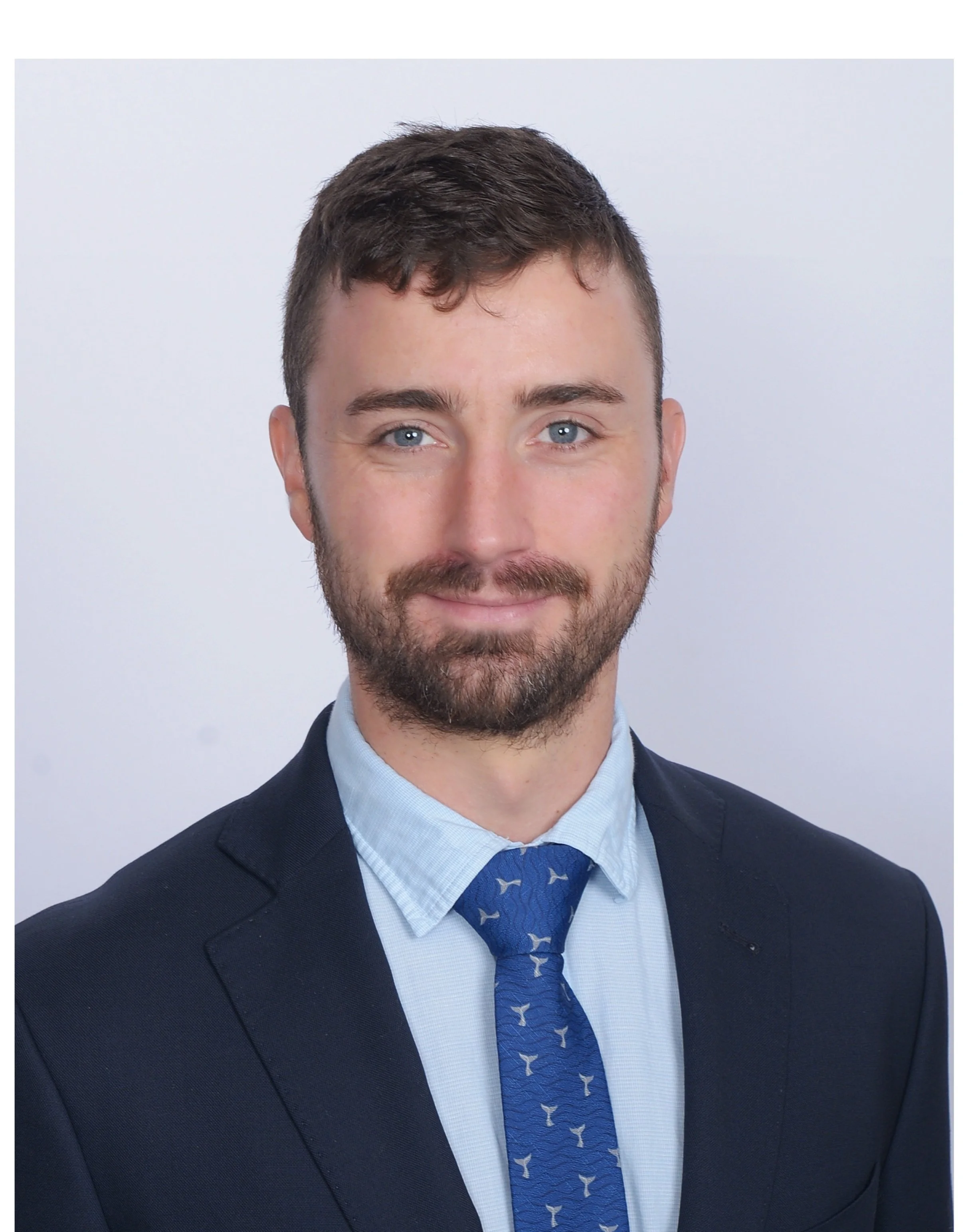
Brian Anderson, Director of Training & Technical Assistance
Brian Anderson, PharmD, RPh, a pharmacist and Director of Training and Technical Assistance at EMO Health, sat down for an interview with Pharmacy Times® to discuss benzodiazepines, including the history of the drug class and the current trends surrounding them. Additionally, Anderson provides an in-depth explanation of the substance use disorder epidemic in the United States, and how benzodiazepine misuse and abuse can be a major factor.
Pharmacy Times: What are the current treatment approaches for benzodiazepine use disorder?
Anderson: So unlike OUD, there are currently no FDA approved medications for the treatment of benzodiazepine use disorder (BUD), so there's no long-term Suboxone or methadone-like (Methadose; Mallinckrodt Pharmaceuticals) option for patients with BUD. Rather, the treatment approach is a medically supervised, gradual taper with a long-acting benzodiazepine, generally chlordiazepoxide (Librium; Roche) or diazepam (Valium; Roche) with adjunctive psychosocial treatment. Benzodiazepines should almost always be tapered, unless they've only been used for a few days or sporadically on a “pro re nata” (PRN) dose or at a lower dose. But for patients who have been using higher doses for long periods of times, the taper rate is a gradual reduction of the dose, generally 25-to-50% every 1-to-2 weeks over a period of usually 6-to-10 weeks, you may go even slower. You could do a reduction of 10-to-20% every 1-to-2 weeks. It really depends on the patient and their condition. How long have they been using the benzodiazepine, and at what dose? Which specific drug are we talking about, and what is its pharmacokinetic profile? What is the patient's capacity to tolerate withdrawal symptoms? Longer durations of use are associated with a higher likelihood of more severe symptoms during the taper. Those subjective benzodiazepine withdrawal symptoms during a taper can worsen as the reduced dose reaches about 25% of the initial dose that they were taking, and then start to improve as the dose reaches zero. But broadly speaking, a gradual, slow taper is the initial approach.
Now, preventing recurrent use really consists of non-pharmacological methods like counseling, behavioral therapies, managing co-occurring disorders, and avoiding benzodiazepines in favor of other alternatives. There are other pharmacological alternatives for treating most of the conditions that they're indicated for. Just to make the point, managing those co-occurring disorders is a very important point, I think. If you recall the common reasons why people are misusing these drugs in the first place, in most cases, they're addressing an under-treated medical condition, like anxiety disorders or insomnia. Or they're using them as part of some drug cocktail with other drugs like opioids or alcohol. Treating the underlying anxiety, insomnia, depression, OUD, alcohol use disorder, or whatever the underlying condition is, or underlying conditions are, that may have been fueling the benzodiazepine misuse in the first place, that's really key to treatment.
Pharmacy Times: How can pharmacists be aware of the illicit use and safe of benzodiazepines and counterfeit medication?
Anderson: I would say, educate your patients and be aware of the dangerous climate that's out there. Take care of your families. Make sure your loved ones are aware of how dangerous the situation is out there right now regarding these illicit drugs. I believe the DEA has a public health campaign going on right now called “1 pill can kill,” and this can certainly be the case for many people, especially kids who are exposed to these drugs and are opioid-naive. Again, as I mentioned, there are a lot of people in this country with OUD, substance use disorder, who know what they're taking, and they seek these drugs out. We should be treating these patients with compassion and doing our best to connect them with proper care whenever they're ready to accept that, or harm reduction resources and harm reduction counseling and advice if they're not quite ready to stop using these substances entirely. But for those who may not be aware, I would just argue that education and spreading awareness is the best preventative tool that we have. In addition, being familiar with the laws around naloxone, spreading awareness of the availability of naloxone now, and making sure that patients have access to the medications they need.
More Content: